Značení silikonů: Co skrývají označení na kosmetice a jak je číst
When you see silikony, chemické látky používané v kosmetice k vyhlazování pokožky a vlasů. Also known as silicones, they are added to creams, shampoos, and serums to create a smooth, slippery feel. But not all silikony are the same — some are harmless, others can build up and suffocate your skin or hair over time. The problem isn’t silikony themselves — it’s the lack of transparency in their labeling. You’ll see names like D4, D5, D6, cyclopentasiloxane, or dimethicone on the ingredient list, but most people have no idea what these mean or whether they’re safe.
Let’s break it down simply. D4, D5, D6, cyklické silikony, které se často používají v deodorantech, šamponích a tělových krémech are the ones to watch. These are small molecules that evaporate quickly, leaving behind a smooth finish — but they can linger in the environment and may disrupt hormones. The EU has already restricted D4 and D5 in rinse-off products because of this. Then there’s dimethicone, nepřechodný silikon, který tvoří ochrannou vrstvu na kůži a vlasech. It doesn’t evaporate. It sits on top. For dry skin or damaged hair, that’s actually helpful. For oily skin or fine hair? It can clog pores and make hair look greasy and flat.
So how do you tell them apart? Look at the end of the name. If it ends in -cone, -xane, or -siloxane, it’s a silikon. If it’s short and simple — like cyclopentasiloxane — it’s likely a volatile one (D4/D5 type). If it’s long and thick — like dimethicone or cetyl dimethicone — it’s a film-former. You don’t need to avoid all silikony. But if your skin breaks out after using a product, or your hair feels weighed down after a few washes, it’s probably the non-volatile ones. Check the first five ingredients. If a silikon is listed there, it’s in high concentration. If it’s near the bottom? Probably harmless.
And here’s the thing: many brands hide silikony behind vague terms like "natural glide" or "silky finish." They don’t want you to know what’s really in there. But once you learn to read the labels, you stop guessing. You start choosing. The right silikon can make your skin feel soft and your hair shiny. The wrong one? It traps dirt, blocks moisture, and makes your skincare useless because nothing can penetrate beneath that plastic film.
In the posts below, you’ll find real examples from products people actually use — what’s hidden in that "repairing" shampoo, why your favorite cream leaves a residue, and which silikony are safe to keep and which should be tossed. No jargon. No marketing fluff. Just clear, practical decoding of what’s on your shelf — so you can finally trust what you’re putting on your skin.
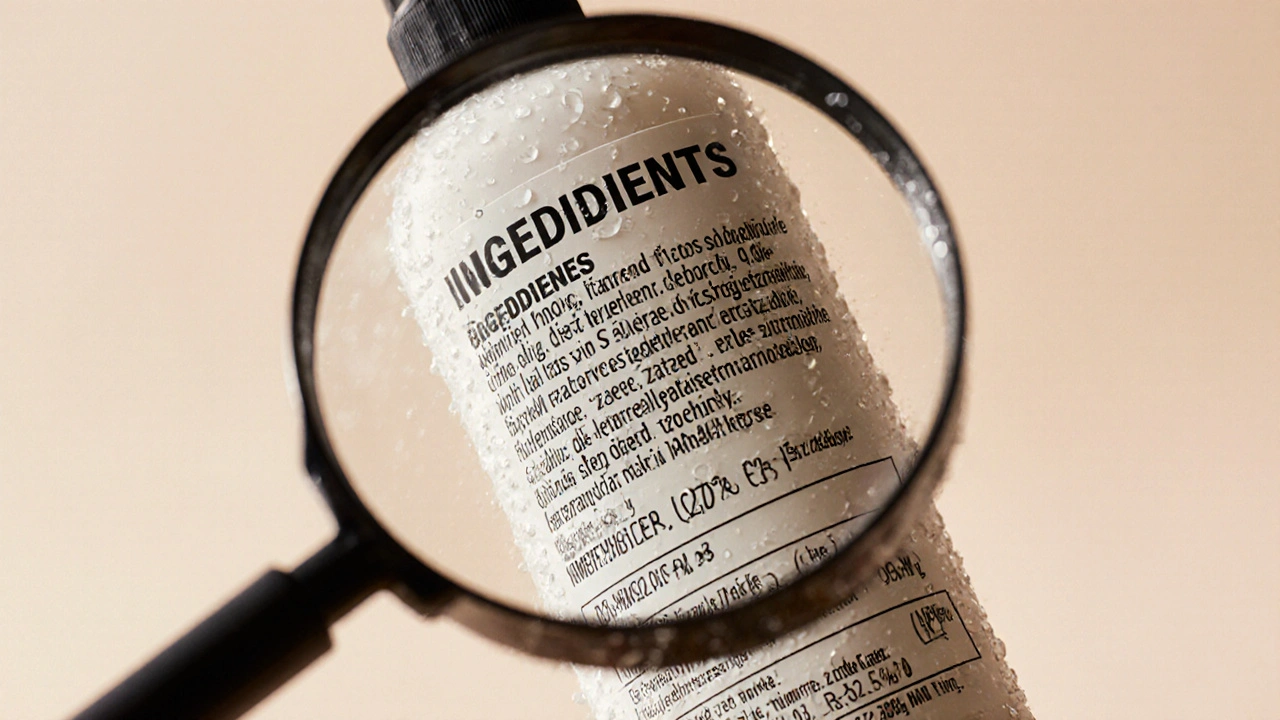
Jak se značí silikony v kosmetice? Přehled kódů na obalech
Zjistěte, jak rozpoznat silikony v kosmetice podle INCI kódů, jestli jsou škodlivé a jak je správně používat. Přehled nejčastějších složek a alternativ pro citlivou pokožku.
Zobrazit více